When Alex (not his real name), a 32-year-old recreational soccer player, pulled up mid-sprint during a weekend match, he knew something was wrong. The sudden sharp pain in the back of his thigh stopped him in his tracks and left him unable to finish the game. What followed was swelling, soreness, and difficulty walking normally. Looking for a solution that would get him back on the field safely and efficiently, Alex turned to BioSport Physical Therapy for guidance on effective hamstring strain recovery.
Hamstring injuries can be frustrating and disruptive, especially for active individuals. Without the right care, these strains often linger or recur, keeping people sidelined longer than necessary. At BioSport Physical Therapy, physical therapists specialize in performance-focused treatment plans that promote healing while restoring strength and function.
Alex’s Initial Condition and Early Challenges
When Alex came to BioSport Physical Therapy, he described localized pain in the middle of his hamstring, noticeable tightness when bending forward, and difficulty bearing full weight on his injured leg. He also had trouble sitting for long periods and felt a general loss of power in his stride.
During his evaluation, the physical therapist noted:
- Tenderness over the hamstring belly
- Reduced range of motion in hip flexion
- Weakness during single-leg movements
- A slight limp while walking
- Hesitancy and fear of re-injury
These signs pointed to a moderate-grade strain, most likely caused by an aggressive sprint without a proper warm-up. Because hamstrings play a key role in speed and hip control, even a partial tear can significantly affect daily movement and athletic performance.
Tailored Physical Therapy Plan for Hamstring Strain Recovery
A personalized and progressive care plan was essential to support Alex’s hamstring strain recovery. The physical therapist developed a structured program designed to reduce pain, restore mobility, and rebuild strength through targeted interventions. Key phases of his plan included:
1. Pain Management and Early Protection
Alex began with manual therapy to manage muscle tension and reduce inflammation. Movement was limited but controlled to prevent scar tissue from forming improperly. Compression and gentle isometric holds were introduced to preserve strength without overloading the tissue.
2. Restoring Range of Motion
As swelling decreased, mobility work focused on hip and knee movement without aggravating symptoms. Techniques included soft tissue mobilization and guided dynamic stretches to gradually increase flexibility while avoiding overstretching the healing muscle.
3. Strength Progressions and Load Tolerance
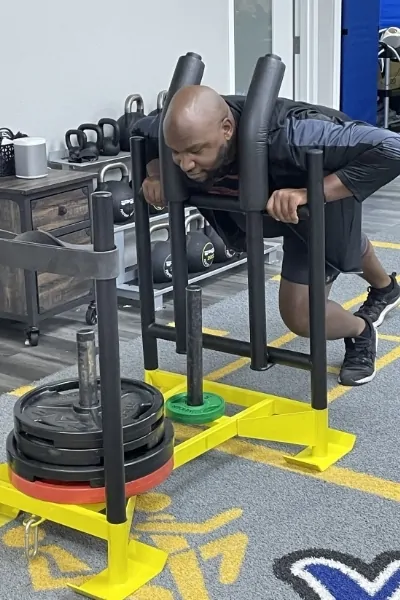
Once Alex could move pain-free, he began performance-based strength training. This phase emphasized single-leg stability, eccentric hamstring loading, and trunk control. The therapist avoided generic strengthening and instead targeted muscle coordination needed for high-speed movement.
4. Return to Sport Preparation
To prepare for a return to soccer, Alex worked on sprint mechanics, change of direction, and plyometric drills. Each activity was added at the right time to reduce risk and increase confidence. Movement quality and fatigue response were monitored closely.
5. Education and Prevention Planning
Throughout his care, the therapist educated Alex on warm-up strategies, workload management, and early signs of fatigue. These tools helped him understand how to avoid setbacks and stay in control of his training.
Results That Mattered
Over the course of his hamstring strain recovery, Alex made steady progress. Within weeks, he returned to walking without a limp. His strength gradually improved, and by the end of his program, he reported:
- Full return of hamstring strength
- Improved sprint technique and power
- No pain with daily activity or sports drills
- Restored confidence in pushing his limits
- A better understanding of how to train smarter
Thanks to the focused care he received at BioSport Physical Therapy, Alex returned to soccer safely and with more control than before his injury.
Why Physical Therapy Makes the Difference in Hamstring Strain Recovery
Hamstring injuries are complex and easy to reinjure without proper care. Rushing back into activity or using general stretches can cause more harm than good. A targeted plan built by physical therapists ensures the muscle heals properly, regains functional strength, and is ready to handle sport-specific loads.
At BioSport Physical Therapy, our team takes every injury seriously. We design recovery plans around your goals and your sport. Whether you’re a weekend athlete or competing at a higher level, our therapists guide you every step of the way.
Get Back to What You Love with Expert Help
If you’re dealing with a hamstring injury, don’t leave your recovery to chance. A smart and strategic plan for hamstring strain recovery can mean the difference between repeated injuries and a full return to activity.
Contact BioSport Physical Therapy today to schedule a personalized assessment and get the care you need to move forward with strength and confidence.
Tags: Injury Prevention, sports rehab, hamstring injury, muscle recovery