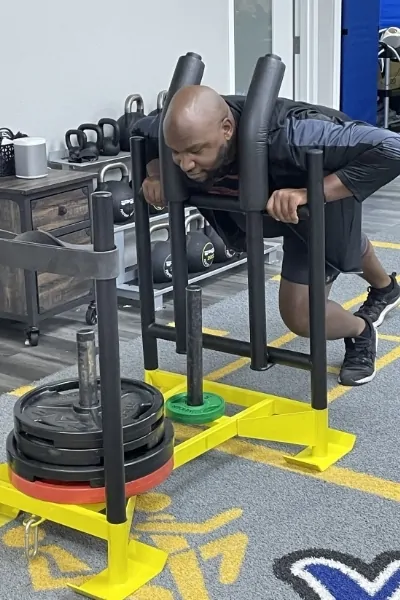
Athletes constantly push their bodies to the edge. Whether training for peak performance or competing under pressure, the physical demands are relentless. But along with this drive comes a real risk: injury. That’s why athlete injury prevention is essential.
Every movement, from a sprint down the track to a pivot on the court, adds up. Without a strategy in place to protect your body, those movements can take a toll. The good news? With some smart training habits and support from the team at BioSport Physical Therapy, you can avoid common injuries, recover faster, and stay in the game longer.
Below are some of our physical therapists’ best tips to help you prevent injury and stay strong all season.
Nine Athlete Injury Prevention Strategies You Should Know
1. Prioritize a Thorough Warm-Up
A dynamic warm-up prepares your body for intense activity. It boosts circulation, increases joint mobility, and reduces the risk of strains.
How to Do It
- Incorporate movements like high knees, leg swings, arm circles, and lunges
- Avoid static stretching until after your workout
- Let us design warm-up routines tailored to your sport and physical needs
2. Don’t Skip Strength Training
Strong muscles stabilize joints and reduce stress on bones and ligaments, making resistance training an essential tool for athlete injury prevention.
How to Do It
- Focus on balanced strength between muscle groups
- Include core stability exercises to support spinal alignment and posture
- Work with one of our physical therapists to identify weak points and customize strength programs
3. Loosen Up Your Muscles
Tight muscles can lead to poor biomechanics and compensatory movement patterns, both major risk factors for injury.
How to Do It
- Include foam rolling and targeted stretches after activity
- Use mobility exercises to restore range of motion
- Visit us for a thorough assessment and personalized corrective routines
4. Emphasize Proper Technique
Poor biomechanics can quickly lead to overuse injuries, so ensure you’re using proper form no matter what movements you’re doing.
How to Do It
- Work with one of our PTs to analyze your movement
- Focus on small corrections before increasing intensity or volume
- Repetition with proper form builds safer motor patterns
5. Respect Your Rest Days
Recovery allows muscles, joints, and connective tissues to repair. Skipping it can actually break down tissues instead of building them up.
How to Do It
- Schedule 1–2 rest days per week
- Include low-impact activities like swimming or cycling for active recovery
- Check with us if you notice signs of overtraining and fatigue
6. Try Balance and Proprioception Drills
Injury often happens during a misstep or awkward landing (think sprained ankles). Training your body’s sense of balance and position reduces the risk of falls and consequent injury.
How to Do It
- Try single-leg stances, wobble board drills, and agility ladder work
- Enhance coordination under fatigue to mimic game-day conditions
- Visit our clinic if you really want to get serious about balance and proprioception
Stay Hydrated and Eat for Performance
Dehydration and nutrient deficiencies make tissues more prone to damage. Support your body with smart nutritional practices.
How to Do It
- Drink water before, during, and after workouts
- Prioritize protein, healthy fats, and complex carbs in your diet
7. Cross-Train Strategically
Repeating the same motions daily can strain tissues, but that can be common practice for athletes. Cross-training helps avoid repetition while improving overall fitness.
How to Do It
- Switch between sports or training modalities throughout the week
- Use swimming, cycling, or Pilates as joint-friendly alternatives
- If you’re having trouble coming up with a routine, we can recommend activities that complement your main sport
8. Don’t Ignore Pain
Pain isn’t a badge of honor–it’s a signal that something’s wrong. Ignoring discomfort can lead to long-term damage. Furthermore, early intervention supports faster recovery and fewer missed practices.
What To Do If You Notice Pain
- Seek evaluation after any persistent soreness or performance decline
- Use physical therapy to correct the underlying cause before it worsens
9. Work with a Physical Therapist Regularly to Stay Ahead of Injury
As you can see from our previous tips, physical therapy plays an essential role in athlete injury prevention. We do much more than just treat injuries; regular check-ups can catch small issues before they escalate.
Benefits of Working with a PT
- Get a movement screen to assess your injury risk
- Receive guidance on form, mobility, strength, and sport-specific drills
- Empowers you to develop smarter, safer performance
Schedule an Appointment to Get Started
Injury doesn’t have to be part of the game. With the right habits and expert guidance, you can stay strong, agile, and competitive.
The experienced team at BioSport Physical Therapy specializes in athlete injury prevention, offering personalized programs that keep you performing at your best. Ready to protect your body and elevate your performance? Schedule your appointment with us today!
Tags: athletic recovery, injury-free training, performance longevity, sports injury tips